

Zirconium crowns; A restoration planned for the tooth beneath it.
Zirconium crowns is a common name for zirconia crowns, made from a zirconium-oxide ceramic. A crown fits over a prepared tooth to restore its form and function. Zirconia is a ceramic material used for crowns. Your dentist selects the restoration and material according to the tooth, the space available and the planned bite.
- A clinical reason for every crown in your plan
- Shade and shape developed around your smile
- Fit, contact points and bite checked before completion
A recommendation for your teeth.
Zirconium Crowns can be appropriate for selected teeth that are heavily filled, damaged or weakened. We assess the remaining tooth and any existing dental work before recommending coverage. If a filling, onlay, veneer or another approach can meet the need with less preparation, we explain that option. Any decay or gum problems are addressed in the treatment plan.
THE REASON FOR THE RESTORATION
Why a zirconium crown instead of a veneer?
A veneer mainly covers the front of a tooth. A crown covers it more extensively. When a tooth needs that wider support, a front-facing veneer alone may not meet the clinical need.
A damaged or heavily restored tooth
Large fillings, fractures, significant wear or an existing crown may make fuller coverage appropriate. We first assess whether the tooth can be restored and whether a filling or onlay would preserve more healthy tissue. A tooth that cannot be saved cannot be rescued simply by covering it.
Tooth position and bite
Marked crowding or a difficult bite may make veneers unsuitable. Crowding alone is not a reason to prepare healthy teeth for crowns; orthodontic options belong in that assessment. We explain the approach that fits your teeth.
Once a crown is indicated, your dentist selects the material. Zirconia is one option; another ceramic may be appropriate in a different case.
Read about E‑max veneersINDIVIDUALLY MADE FOR YOUR TEETH
A precise fit.
A shade you help choose.
Measured and made for you
After any necessary preparation, detailed records of the teeth and bite guide the laboratory. Each crown is made for the tooth it will cover, with its contours, neighbouring contacts and bite planned together.
Checked before it is secured
Your dentist checks how the zirconium crowns seats, its edges, the contact points and your bite. Any necessary adjustments are made before final cementation. These checks aim for a close, comfortable fit and an appearance that belongs in your smile.
Natural matching or your preferred shade
We can plan the shade to blend with your remaining natural teeth or discuss a different shade you prefer. The neighbouring teeth, the tooth beneath the crown, the ceramic and the number of teeth being treated all inform the final choice. We review the appearance with you at fitting.
01 / BEFORE TREATMENT
Prepare zirconium crowns for your consultation and visit.
-
01
Begin with your main concern
Tell us whether you are replacing old crowns, restoring damaged teeth or improving your smile. Our international team explains the photos and information useful for a preliminary review.
-
02
Prepare your treatment history
Tell the team about root canal treatment, existing crowns, sensitivity, grinding and previous dental problems. Share your current medicines and relevant health information with the clinical team.
-
03
Review the proposed scope
Your clinical examination confirms which teeth need treatment. We explain the proposed crown material, preliminary care, fees and appointment sequence. Agree your travel dates with us once that schedule is clear.
02 / YOUR TREATMENT
What happens, step by step.
-
01
Arrival & your clinical assessment
We confirm the arrival and transfer arrangements included in your agreed package, with time to rest where needed. At the clinic, your dentist examines your teeth, gums and bite, reviews your health history and takes the X-rays needed for planning. We explain which teeth need crowns, suitable alternatives, costs and the appointment sequence before you agree to treatment.
-
02
Complete any care the teeth need first
Root canal treatment is not a routine requirement for crowns. Symptoms, clinical tests and imaging help your dentist decide whether a tooth needs it. When indicated, a rubber dam isolates the tooth from saliva while the canals are cleaned, shaped, filled and sealed. The number and spacing of appointments depend on the diagnosis and response to treatment.
-
03
Prepare carefully & protect the teeth
With the planned local anaesthetic, your dentist shapes each tooth to make room for its crown while preserving sound tooth structure where possible. Preparation must allow the restoration to seat properly and function in your bite. Temporary crowns protect the prepared teeth between appointments, and we explain how to look after them.
-
04
Record the details for the laboratory
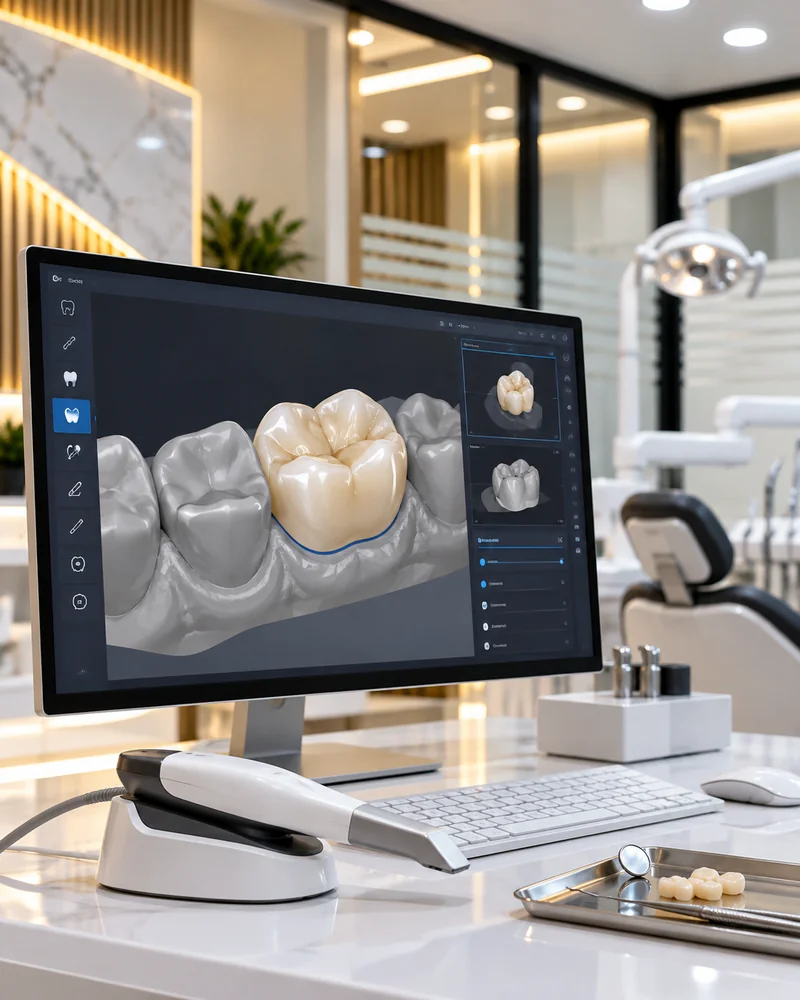
Impressions or digital scans record the prepared teeth, and bite records show how the jaws meet. Together with your shade and shape preferences, these guide the laboratory in making each zirconium crowns. We can plan a natural colour match or discuss a different shade, taking the surrounding teeth into account.
-
05
Try in the shape, shade & fit
You review the appearance with the dentist. We check how the crowns seat, the edges beside the gums, the contacts between neighbouring teeth and your bite. These checks help identify areas that need adjustment before the final fit. Another fitting is arranged if further laboratory changes are needed.
-
06
Secure the zirconium crowns & check again
Once the fit and appearance are ready, the crowns are secured with the appropriate dental cement. Your dentist removes excess cement and checks the contact points, gum margins and bite again. Accurate preparation and fitting support comfort, cleaning and the health of the tooth and gum beneath the restoration.
-
07
Review before departure & continue care at home
We allow for a review before you leave and explain cleaning, eating and follow-up. Tell us about a high spot when biting, persistent sensitivity, gum irritation or an area that feels rough. The dentist can check for an adjustment or retained cement; do not try to remove it with household tools. Our international team remains available after your return home.
Your visit schedule
Your appointments cover assessment, any necessary preliminary care, preparation, laboratory work, trial fitting, final fitting and review. These stages can fall on different days. We confirm an individual visit schedule before you book travel and leave time for adjustments; root canal treatment or gum care can extend the plan.
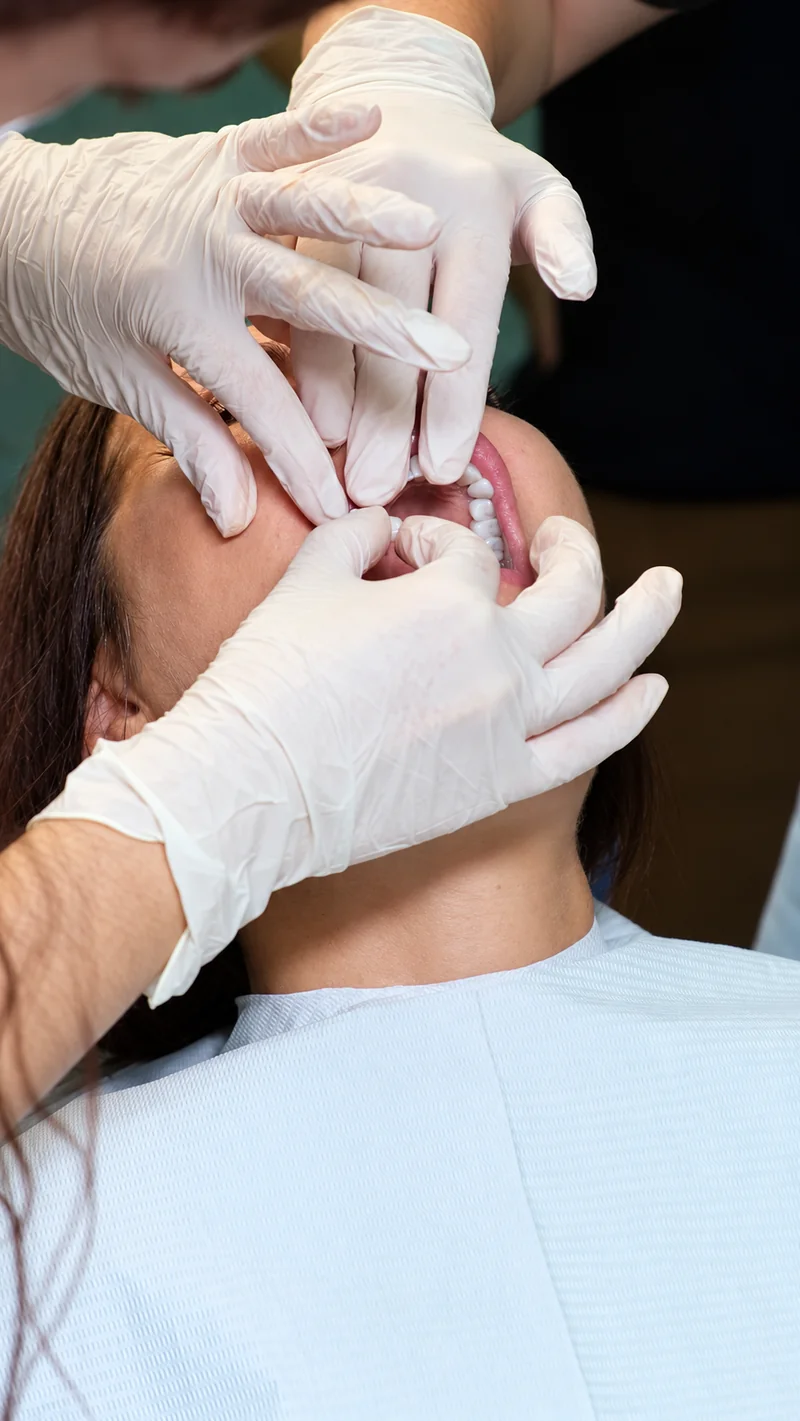
THE FITTING APPOINTMENT
Small details deserve time.
At fitting, we check the zirconium crown margins, the contacts between teeth and the way your teeth meet. We also review the shape and shade with you before completing the restoration.
 0:27
WATCH THEIR STORY
A restorative appointment at our clinic
See the care behind the smile.
Moments from a restorative appointment, followed by the patient’s smile.
Your dentist recommends the crown material.
We select the zirconia product and restoration design for the teeth being treated. The plan considers the remaining tooth, available space, bite and appearance. Tell us about any material preference; your dentist confirms whether it is appropriate.
The material name is only part of the work. Preparation, laboratory design and clinical fitting all belong in the treatment plan.
03 / AFTER TREATMENT
Care that continues at home.

-
01
With temporary crowns
Follow the cleaning technique and food guidance given by your dentist. If a temporary crown becomes loose, contact the team. Avoid trying to glue it back or adjust it yourself. Protecting the prepared tooth between visits is part of treatment.
-
02
After the final fit
Follow the dentist’s instructions as you adjust to your crowns. An uneven bite, continuing sensitivity, a rough margin or irritated gums need a check. Worsening pain or swelling should be assessed promptly. Any excess cement or fitting adjustment should be handled by the dental team.
-
03
For the long term
Brush twice daily with fluoride toothpaste and clean between the teeth. A crown still relies on the natural tooth and gum beneath it, so keep dental and hygiene reviews. Use a protective appliance if one is recommended for grinding, and report a loose or damaged crown.
Risks and when to contact the team
Zirconium Crowns preparation changes the tooth permanently. Sensitivity, loss of retention, chipping and gum problems can occur, and some teeth may later require root canal treatment. Crowns need maintenance and may need repair or replacement over time. We discuss the risks relevant to your teeth before treatment.
For severe swelling, trouble breathing or swallowing, or uncontrolled bleeding, seek urgent local medical care. Do not wait for a WhatsApp reply.
A quotation you can understand.
We set out your recommended treatment, materials, appointments and costs in an individual written quotation. These are the main items in your plan:
- Number and condition of the teeth being restored
- Removal of existing restorations and any preliminary care
- Crown material, laboratory work and temporary restorations
- Fitting appointments, review and any protective appliance
Any hotel or transfer arrangements are listed separately when agreed. Changes after your clinical assessment are explained before the relevant treatment.
Treatment packagesYour questions, answered.
Are “Turkish crowns” a different crown material?
The phrase refers to crowns provided in Turkey, rather than one particular material. Your written plan should specify zirconia, lithium disilicate or another proposed material, together with the reason for that choice.
What should I compare when researching crowns in Turkey?
Compare the clinical reasons for each crown, the proposed material, preparation, laboratory stages, shade review, total quotation and aftercare arrangements. A preliminary online discussion helps prepare your visit; the clinical examination confirms the plan.
Will I need crowns on every visible tooth?
We recommend crowns tooth by tooth after assessment. An aesthetic concern alone does not determine a fixed number of crowns. Your treatment plan explains which teeth need coverage and why.
Is zirconia better than E‑max?
They are different ceramic options. Your dentist recommends the product and restoration design for the clinical situation. We explain the proposed choice instead of asking you to select a material on your own.
Why might I need a crown instead of a veneer?
A veneer mainly changes the front surface. A damaged or heavily restored tooth may need wider coverage and support. We first assess whether the tooth can be restored and whether a more conservative option is suitable; the crown material is then selected for your case.
How do you make the crown fit my tooth?
Your tooth and bite records guide the laboratory. We check seating, edges, neighbouring contacts and the bite before securing the crown. A crown is designed with a controlled space for dental cement; the aim is a precise, well-sealed fit. The tooth and gum still require ongoing care.
Can zirconia crowns look natural?
Yes. We plan the shade, contours and proportions together. You can choose a natural match or discuss a different shade you prefer. The surrounding teeth and the clinical situation guide the options, and we review the appearance with you at fitting.
Will I need root canal treatment first?
Not every crowned tooth needs root canal treatment. Your dentist assesses symptoms, the tooth’s response to clinical tests and relevant imaging. An X-ray or the amount of planned preparation alone cannot guarantee a tooth’s future health. We explain the reason for any recommended treatment, and some teeth can still need root canal care later.
How long do crowns last?
There is no fixed lifespan for every crown. The underlying tooth, bite, cleaning and regular maintenance all matter. We explain how to care for your restoration and when reviews are needed.
What if I feel a high spot when I bite?
Contact the team for an assessment. An uneven bite may need adjustment. Do not try to file or alter the crown yourself.
Read more about your care.
Clinical information sources
- American Association of Endodontists: root canal treatment and dental dam
- Leeds Teaching Hospitals NHS: crowns
- NHS: crowns and dental treatments
- Manchester University NHS: crown and veneer risks
- Ivoclar: zirconium oxide and lithium-disilicate ceramics
General patient information. Your dentist confirms your individual treatment, preparation and care instructions at the clinical assessment.